How to Choose a UV Water Sterilizer for Home or Commercial Use
When it comes to ensuring safe drinking water, many users struggle with the overwhelming choices of UV water sterilizers available in the market. The need for a reliable UV water sterilizer becomes particularly crucial for homeowners concerned about waterborne pathogens and businesses aiming to comply with health regulations. One user, Sarah, a mother of three, expressed her frustration over her family's recurring stomach issues linked to contaminated water. She needed a straightforward solution to protect her family's health without spending hours researching. This article will provide a comprehensive guide to selecting the right UV water sterilizer tailored to your specific needs.
Required Preparation for Choosing a UV Water Sterilizer
Before diving into selecting a UV water sterilizer, it's essential to gather some prerequisites:
- Identify Your Water Quality: Test your water for contaminants such as bacteria, viruses, and sediments. Tools you may need include water testing kits available through brands like WELGO.
- Determine Your Flow Rate: Measure how many gallons of water you need to sterilize per minute (GPM). A household may require a unit that handles 6 GPM, while a commercial entity may need upwards of 30 GPM.
- Assess Installation Space: Evaluate where you will install the sterilizer, ensuring adequate room for maintenance and access.
- Set a Budget: Prices can range significantly; having a budget in mind can streamline your options.
Step-by-Step Guidance for Selecting a UV Water Sterilizer
Follow this detailed step-by-step guide to choose the perfect UV water sterilizer:
- Step 1: Research UV Technologies - Understand the differences between low-pressure and medium-pressure UV lamps. For example, medium-pressure lamps cover a broader spectrum of UV-C light, making them suitable for larger commercial systems.
- Step 2: Evaluate Disinfection Rates - Look for products that can demonstrate a 99.99% reduction in harmful microorganisms. WELGO products often cite specific rates based on independent testing.
- Step 3: Check the Unit Size - Measure your available area to ensure compatibility. Compact homes may need a smaller unit, while businesses often require larger systems.
- Step 4: Assess Energy Efficiency - Review energy consumption data. Some UV sterilizers consume as little as 40 watts during operation, providing sustainability benefits alongside sterilization.
- Step 5: Review Maintenance Requirements - Investigate how often the UV lamps need replacing. Typically, a UV lamp lasts about 9,000 hours, or roughly a year in residential settings.
- Step 6: Seek Reviews and Case Studies - Look up user experiences, like those from a local cafe owner who noted a 50% drop in customer complaints after implementing a WELGO UV system.
- Step 7: Make Your Purchase - Choose a sanitized unit that includes a UV intensity monitor for ongoing assurance of effective sterilization.
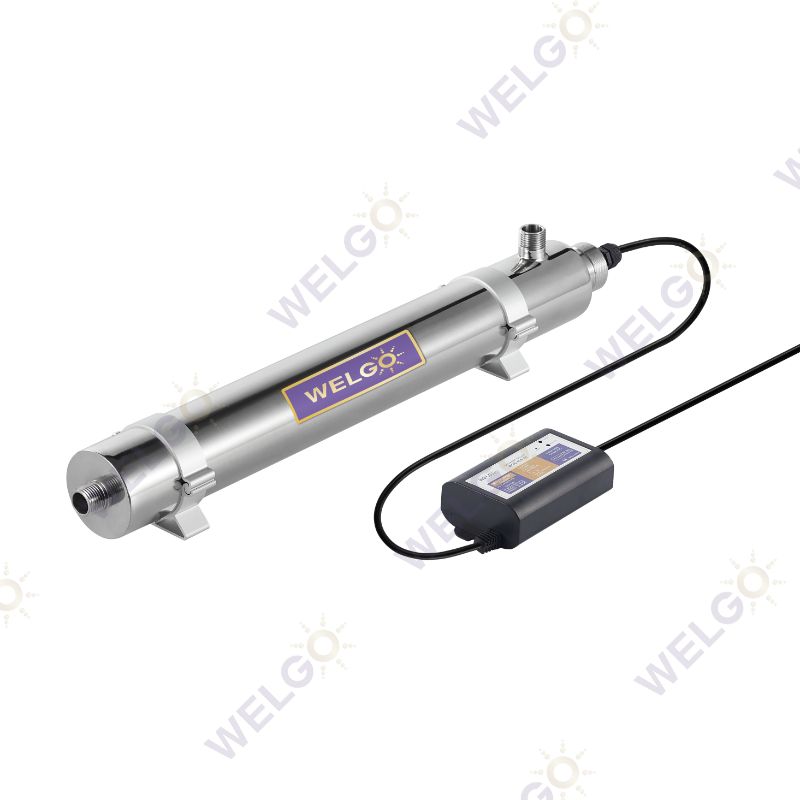
Common Errors and Solutions When Selecting a UV Water Sterilizer
Choosing a UV water sterilizer can lead to some common pitfalls:
- Underestimating Flow Rate: Many users fail to calculate their peak water flow, which can result in insufficient disinfection. Always opt for a model that exceeds your calculated GPM needs by at least 20%.
- Ignoring Manufacturer Recommendations: Skimpy adherence to guidelines can lead to inefficient operation. Follow the manufacturer's instructions closely for optimal performance.
- Failing to Replace UV Lamps on Time: Neglecting replacements can lead to decreased effectiveness. Set reminders based on the manufacturer's schedule to ensure timely replacements.
Summary and Suggestions
Selecting the right UV water sterilizer hinges on understanding your unique water needs and the specifications of available units. As seen in Sarah's case, finding a unit that could efficiently manage her family's requirements significantly improved their health and peace of mind. Make informed decisions by weighing all considerations, focusing on user reviews, and examining research data.
FAQs about UV Water Sterilizers
Q1: How does a UV water sterilizer work?
A UV water sterilizer utilizes ultraviolet light to inactivate microorganisms, making the water safe for consumption.
Q2: How often should I replace the UV lamp?
UV lamps should typically be replaced every 9,000 hours, or about once a year for average residential use.
Q3: Are UV water sterilizers energy-efficient?
Yes, many models consume minimal energy, often around 40 watts, especially during standard operations.